

- Home
- »
- Mount Longonot National Park
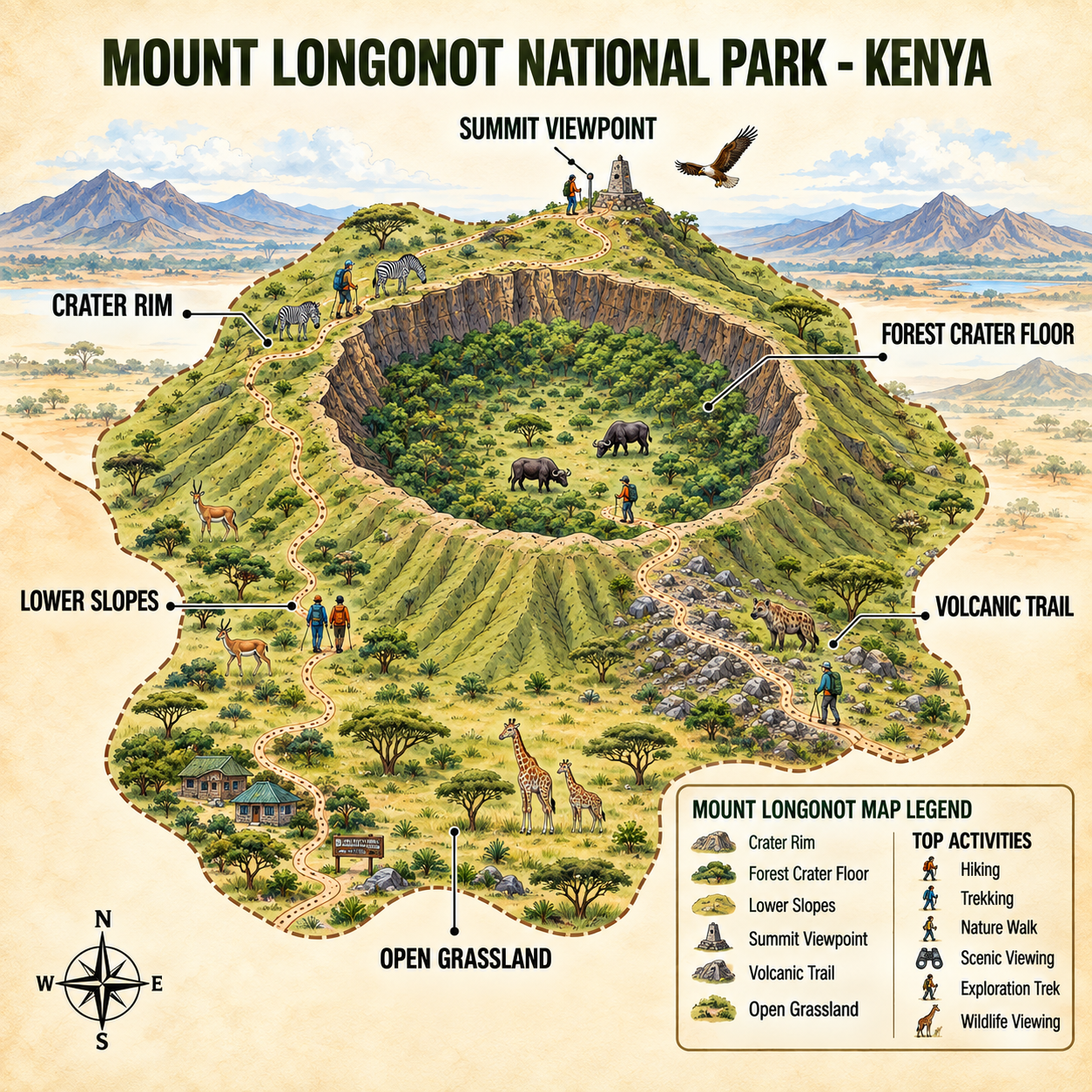
Kenya’s National Park
Visit Kenya’s Mountain of Many Spurs or Steep Ridges
The term “Longonot” is derived from the Maasai word Oloonong’ot, meaning “Mountain of Many Spurs” or “Steep Ridges,” reflecting its rugged crater rim.
Mount Longonot is a dormant stratovolcano that towers prominently within Kenya’s Rift Valley. Its last eruption was in 1863, leaving behind a picturesque crater lush with dense forests, a haven for wildlife and bird species. This safari destination is popular with mountain climbers and trekkers looking for a day trip while visiting Lake Naivasha.
Total Area
52 km²
Elevation
0 - 2776 m
Signature Experiences
Explore the Volcanic Valleys and Gorges in Kenya
Crater Rim Hiking & Trekking
Tourists can hike along the crater rim, take on a strenuous physical challenge, and enjoy a rewarding walk along the edge of the deep crater.

Hiking & Trekking

Adventure Activities

Guided Tours
Panoramic Views
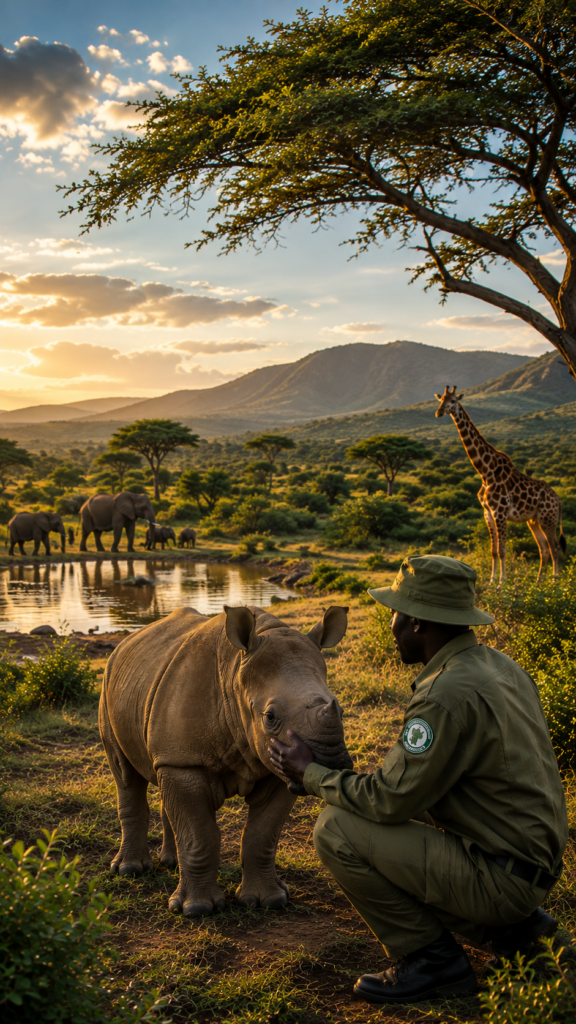
Get sweeping 360-degree views stretching across the Great Rift Valley, sparkling Lake Naivasha, and nearby Hell’s Gate National Park.

Scenic Views & Tours

Photography Tours

Immersive Travels
Birdwatching
Excellent birding opportunities exist along the slopes and inside the woodland, especially birds like Augur buzzards and Verreaux’s eagles.

150+ Rare Birds

Responsible Tourism

Ethical Adventures
Crater Forest Visit
Hike within the thick, verdant forest that blooms inside the volcanic crater floors, creating a unique microclimate adapted to volcanic soil.

Forest Tours

Flora & Fauna
Photography Tours
Wildlife Viewing
The park shelters animals such as zebras, giraffes, buffaloes, elands, and various antelope species, along with occasional leopards and lions.

Predator-Prey Actions
Photography Tours
Forest Hiking
Photography Tours
Capture the majestic crater rim, sheltering diverse flora and fauna that coexist to form a unique ecosystem unlike anywhere else in Kenya.
Immersive Tours

Ethical Safaris

Photography Expeditions
Our Commitment
Protecting the Unique Forests of Kenya
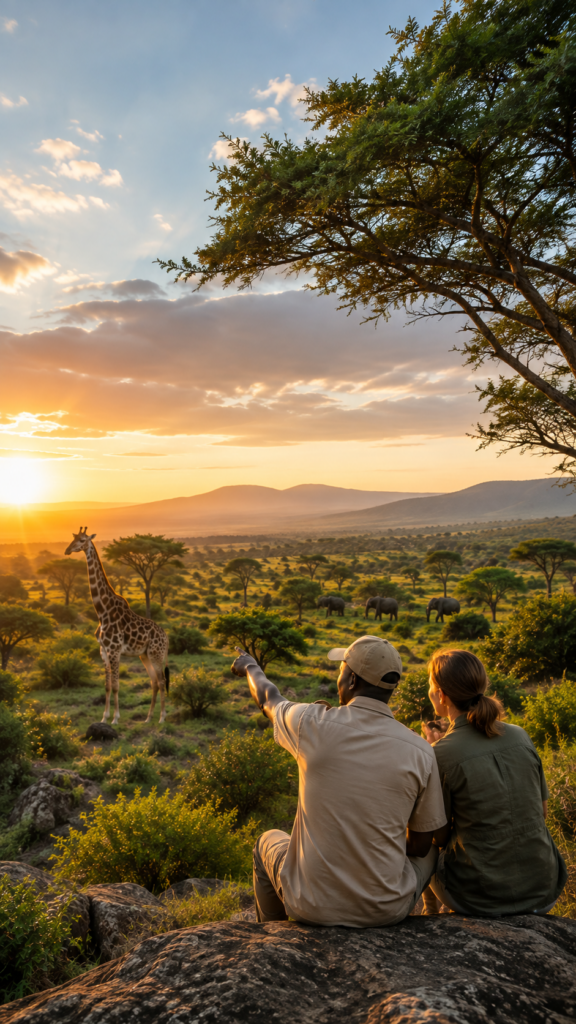
Mt. Longonot is more than a breathtaking hike. It is a living ecosystem and a community-managed landscape that deserves care and respect. At Safarizo, we partner with local conservation experts and indigenous communities to offer low-impact, responsible hiking activities.

Sustainable Eco-tourism
Low-impact visitor management helps ensure critically endangered Thomson’s gazelles and other wildlife remain undisturbed for generations.

Local Community Support
Partnering with the national park’s authority to create alternative livelihoods for indigenous communities and conservation education for eco-sensitive tourism.
Our Commitment
Responsible Tourism
OUR PURPOSE
Protect Kenyan Species
Kenya Safaris
Frequently Asked Questions.
The best time to visit Mount Longonot National Park is during the dry seasons from January to March and June to October. This period offers dry weather and clear skies, making it best for hikers and trekkers.
The best time of day to visit Mount Longonot National Park is early morning between 7:00 AM and 9:00 AM.
You can reach Mount Longonot National Park by driving about 90 kilometres (56 miles) northwest of Nairobi along the Nairobi–Nakuru Highway (A104). We will transfer you from the airport to your safari accommodation, to the national park, and again back to your accommodation and the airport. Your transportation fees are included when you book.
No, you cannot see all of the Big Five in Mt. Longonot National Park. No elephants or rhinos live in the park. Cape buffalo live in the park and are frequently seen, alongside occasional, highly elusive leopards and rare wandering lions.
- Non-Resident Adults: USD $50
- Non-Resident Children/Students: USD $25
- African Citizen Adults: USD $20
- African Citizen Children/Students: USD $10
- Kenya Resident Adults: KES 675
- Kenya Resident Children/Students: KES 350
- East African Citizen Adults: KES 500
- East African Citizen Children/Students: KES 250
