


Safarizo Mega Menu
  1. Home
  2. »
  3. Mount Kilimanjaro
Climb Mt. Kilimanjaro

Explore the Highest Peak at Mount Kilimanjaro

Mount Kilimanjaro is Africa’s highest peak. The mountain is located in Kilimanjaro National Park, with the entire mountain above the tree line and the natural forest that once made up the Kilimanjaro Forest Reserve.

This free-standing volcanic mass rises above the surrounding plains, with its snowy peak touching the clouds. Surrounded by forests and savannah plains, the mountain is home to a wide range of mammals, both common and endangered. Kilimanjaro National Park is also connected to Amboseli National Park and corridors to Arusha National Park and Tsavo National Park. The mountain has three main volcanic peaks: Kibo, Shira, and Mawenzi. With its peaks and glaciers, the mountain has five main vegetation zones: lower slopes, heath and moorland, montane forest, alpine desert, and the summit. The mountain is a fascinating example of a superlative natural phenomenon.

Total Area

4,000 km²

Elevation

5,895 m

Classic Experiences

What to Do in Mount Kilimanjaro

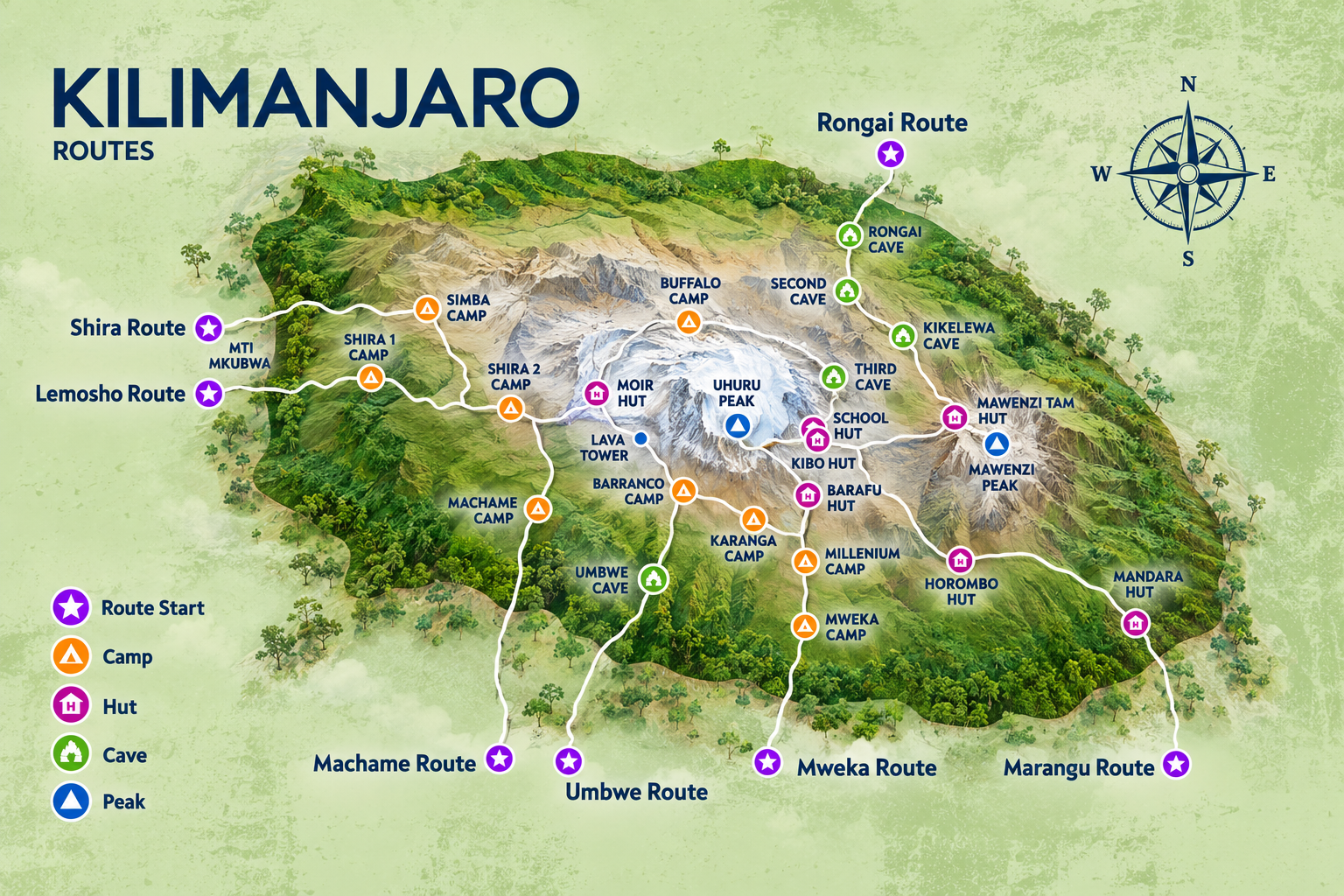
Lemosho Route

The less-crowded, scenic mountain trail offers Kilimanjaro climbers excellent acclimatisation and a close look at wildlife.

climbing

Mountain Trekking

ski

Natural Acclimatisation

nature-view

Scenic View 

Uhuru Peak

Uhuru Peak is the highest peak of Mount Kilimanjaro, also the highest point in Africa. The peak offers trekkers the finest sunrise view from the summit.

climbing

Trekking and Climbing

mountain

Highest Mountain Peak

sunset

Excellent Sunrise View

Rainforest Zone

Climbers can spot a variety of wild animals, including varied species of monkeys and myriads of birds, with unique indigenous flora. 

climbing

Mountain Trekking

monkey

Rich Biodiversity

photography safari@4x

Nature Photography

Wildlife View

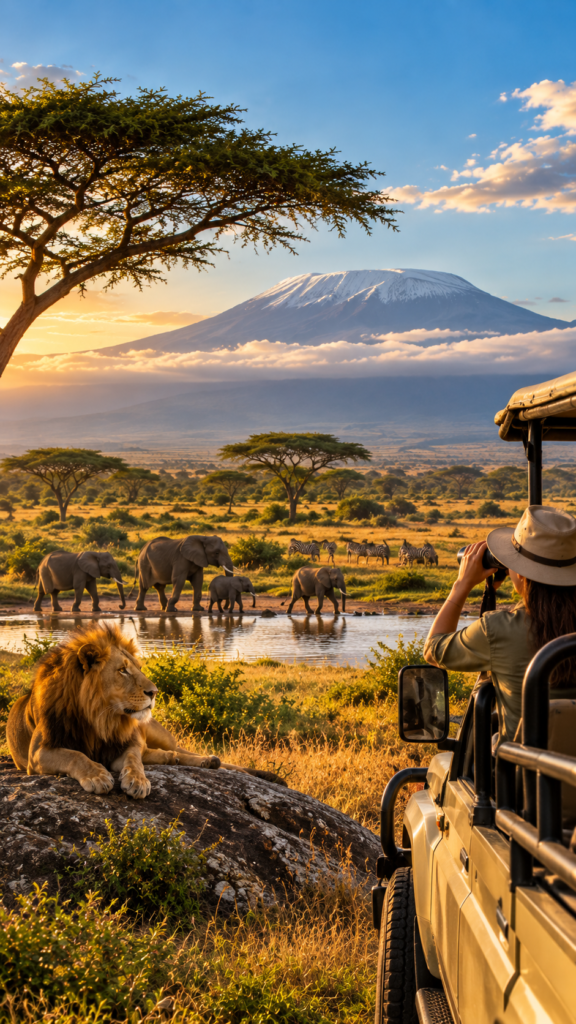
When climbing along the mountainous trails, you can spot elephants, antelope, and buffalo in the forest reserve area in the Mt. Kilimanjaro National Park. 

130,000+-Elephants-(largest-population-in-Africa)

Wildlife Safari 

mountain-hiking

Trekking and Hiking 

landscapes

Scenic Forest View 

Glacier View

The glaciers at the top of the world’s tallest freestanding mountain range create a scenic, divine view that leaves trekkers mesmerised. 

melting

Mountain Glaciers

nature-view

Scenic View

photography safari@4x

Photography

Sunrise at Summit

When golden sunlight reflects off the glaciers, it casts a golden hue across the summit, creating a stunning mountain view. 

mountain

Mountain Summit

sunset

Sunrise View

photography safari@4x

Photography

Our Commitment

Climbing Mount Kilimanjaro Responsibly

Experience your climb to Mount Kilimanjaro while enjoying a wildlife safari in the Mount Kilimanjaro National Park. We ensure your adventurous journey stays joyful and doesn’t harm nature. 

Sustainable Eco-tourism

Low-impact tourist management helps keep the forest’s delicate balance undisturbed for generations to come.

Local Community Support

Joining native communities to create alternative livelihoods and start education and conservation of flora and fauna.
Our Commitment

Responsible Tourism

OUR PURPOSE

Protect Tanzanian Species

Tanzania Safaris

Frequently Asked Questions.

The best months to climb Mount Kilimanjaro are January to March and June to October, when views are clear, trails are dry, and weather conditions are pleasant. 

The choice of the trekking route completely depends on the climbing goals. The Lemosho route and Northern Circuit are the most popular because they offer the best acclimatisation and an 80% to 90% success rate. Machame is one of the most popular trek routes. And Marangu is the only route with sleeping huts for trekkers.

It takes around 5 to 9 days to climb Mount Kilimanjaro. A longer profile increases trekkers’ chances of reaching the summit safely while giving the body enough time to adjust to the mountain's altitude. 

When climbing Mount Kilimanjaro, you must wear warm layers. Essential items to carry include thermals, waterproof layers, thick hiking boots, LED headlamps, and a sleeping bag. Consult your guide beforehand to learn more about the packing essentials. The local porter will carry your primary luggage. 

No. Mount Kilimanjaro is a walk-up mountain. Climbing the mountain does not require any technical climbing gear or prior trekking experience. Anyone in good physical shape and health can trek to Mt. Kilimanjaro. 

Scroll to Top
