

- Home
- »
- Mkomazi Park
Visit Mkomazi Park
Explore the Remote Wilderness of Mkomazi
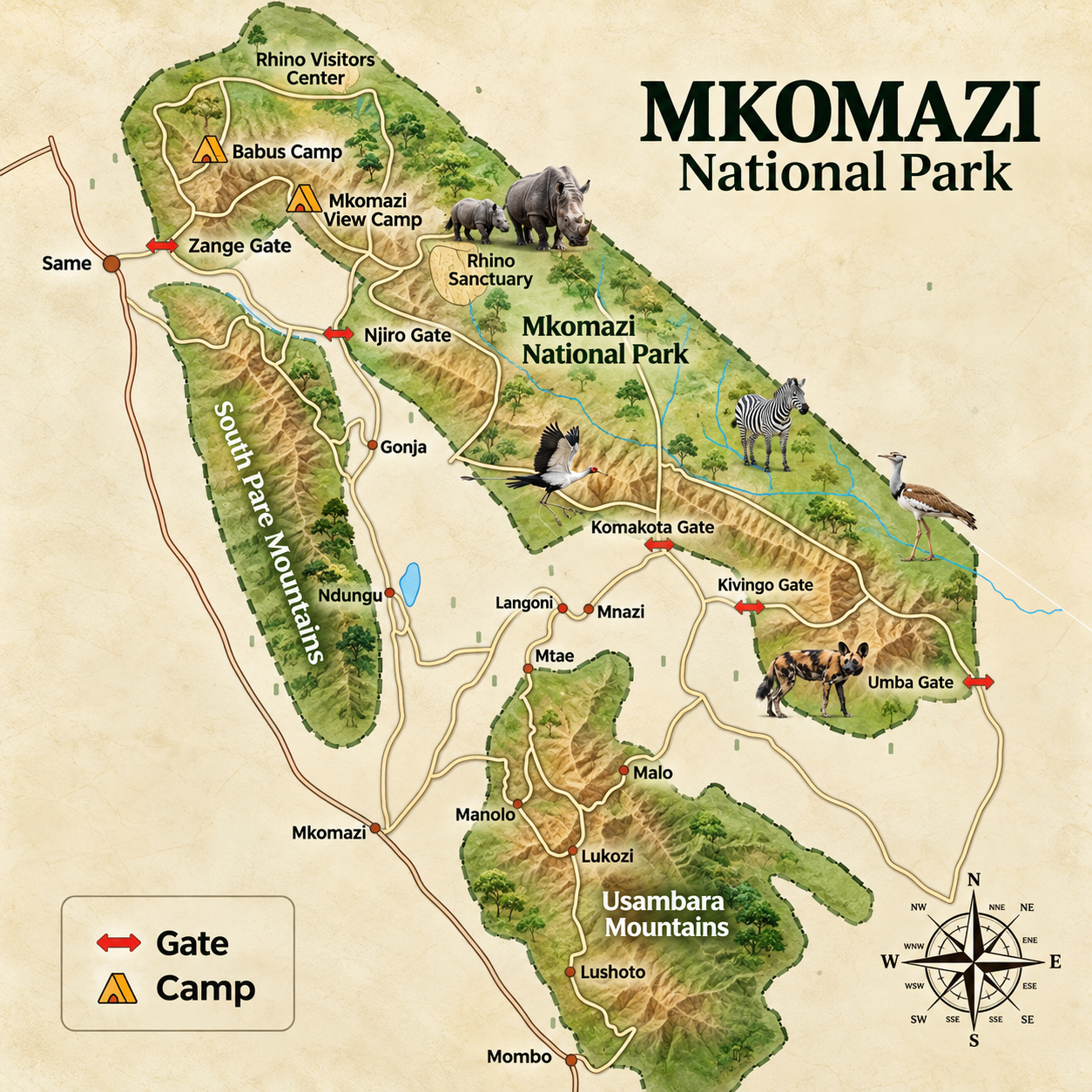
Mkomazi National Park is a renowned national park based in northern Tanzania, surrounded by Mt. Kilimanjaro, Pare and Usambara mountains and Kenya’s Tsavo National Park. The park was founded in 1951 but gained recognition in late 1989.
The national park lies at the southern tip of the Sahel zone and features Acacia-Commiphora species. The park nurtures a semi-arid climate with a bimodal rainfall distribution pattern. Umba River is the main water source of the national park. The park falls within the Mkomazi-Tsavo Ecosystem, which is the second-largest transboundary ecosystem after the Serengeti-Mara Ecosystem. The park is home to lions, leopards, cheetahs, elephants, buffalo, wildebeests, zebras, antelopes, giraffes, and African wild dogs, among 80 species of larger mammals. The park is home to over 400 registered bird species, including hornbills, flamingos, weaver birds, vulturine guineafowl, martial eagles, kori bustard, secretary bird, and the purple eurasian hoopoe. Travellers can spot rare black rhinos in the Mkomazi Rhino Sanctuary, where they are conserved and safe from poachers.
Total Area
3,234 km²
Elevation
238 - 2,429 m
Classic Experiences
What to Do in Mkomazi Park
Wildlife Safari
Go on a game drive across the woodland and grasslands and spot wild animals like lions, leopards, elephants, giraffes, etc., in their natural habitat.

Game Drive

Scenic View

Photography Expeditions
Mkomazi Rhino Sanctuary
Visit Kisima or Mbula rhino reserves in the sanctuary to see the endangered black rhino. Learn about their breeding and conservation initiatives.

Rhino Sanctuary

Conservation Program

Sustainable Tourism
Bird Watching
The rainy season is the ideal time to spot myriads of bird species. Watch birds like vulturine guineafowl, purple eurasian hoopoe, southern ground hornbill, etc.

Birdwatching
Photography Safari
Scenic View
Walking Safari
Enjoy a 2-3 hour walking safari under the guidance of armed forest rangers. Track wildlife close on foot and dive into the depths of wilderness.

Walking Tour

Guarded Safari

Landscape View
Cultural Experiences
Encounter indigenous communities such as the Maasai, Shambaa, and Pare. Learn about their culture, tradition, and local handicrafts.

Cultural Interaction

Tribal Culture and Tradition

Community Program
Night Game Drive
Accompanied by an armed park ranger, go on a night drive to spot nocturnal animals like leopards, bush babies, or genets in their hunting ventures.

Night Drive

Wildlife Safari
Guarded Safari
Our Commitment
Exploring Mkomazi National Park Responsibly
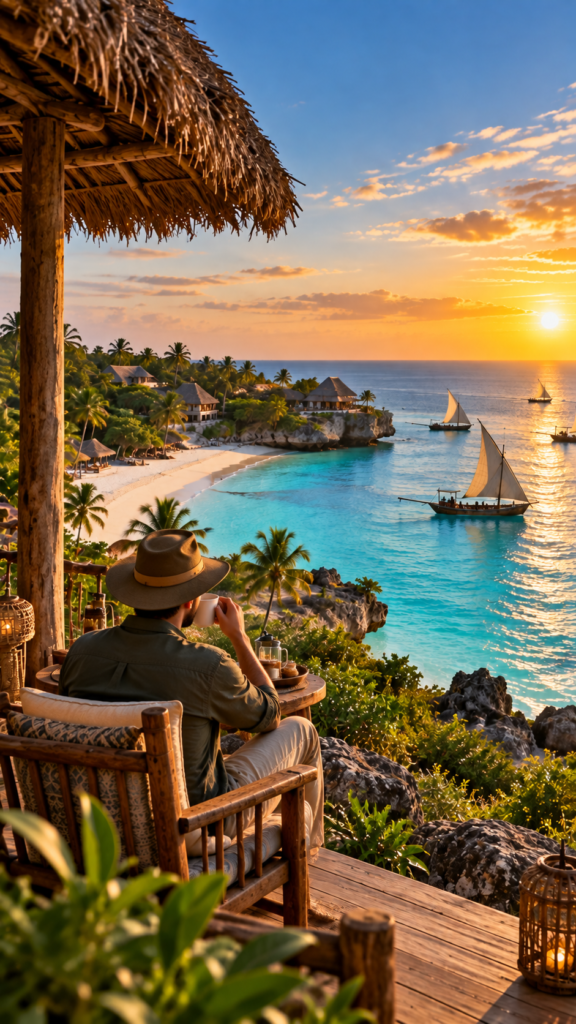
Experience Mkomazi National Park through a wildlife safari and birdwatching experience amid the forest. We ensure the wildlife safari journey stays joyful and doesn’t harm nature.

Sustainable Eco-tourism
Low-impact tourist management helps keep the forest’s delicate balance undisturbed for generations to come.

Local Community Support
Joining native communities to create alternative livelihoods and start education and conservation of flora and fauna.
Our Commitment
Responsible Tourism
OUR PURPOSE
Protect Tanzanian Species
Tanzania Safaris
Frequently Asked Questions.
Mkomazi is home to a rich biodiversity of flora and fauna. The best time to visit Mkomazi National Park is the dry season between June and October. The rainy season, between November and April, is best for birdwatchers.
The primary attraction of Mkomazi National Park is the Mkomazi Rhino Sanctuary, where you can spot the endangered black rhino conserved in the sanctuary. The park is also renowned for breeding and protecting African wild dogs. And Mkomazi is the only national park in Tanzania where you can see vulturine guineafowl.
Yes, Mkomazi National Park is quite safe to visit. Show respect for nature and wildlife. While on safari, always listen to your safari guide and remain safe.
Birdwatching is a fascinating experience in the national park. The park is home to more than 450 bird species. Spot birds like vulturine guineafowl and predatory birds.
Temperatures drop in the early morning and evening in Mkomazi National Park. Safari travellers should wear warm layers during game drives, especially on night drives.
