

- Home
- »
- Makgadikgadi National Park
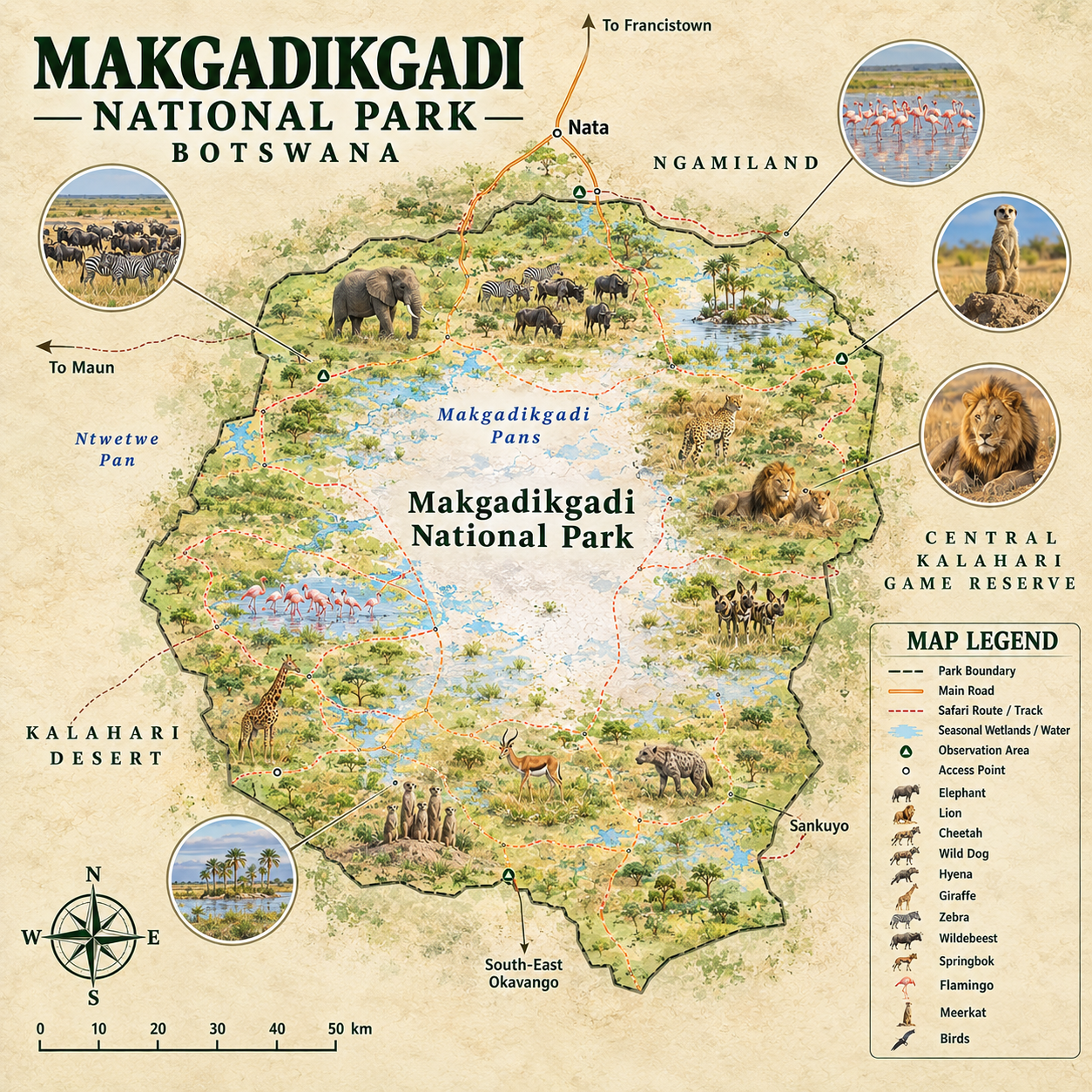
The Timeless Beauty of Makgadikgadi
A Landscape of Rare Encounters and Unforgettable Safari Moments
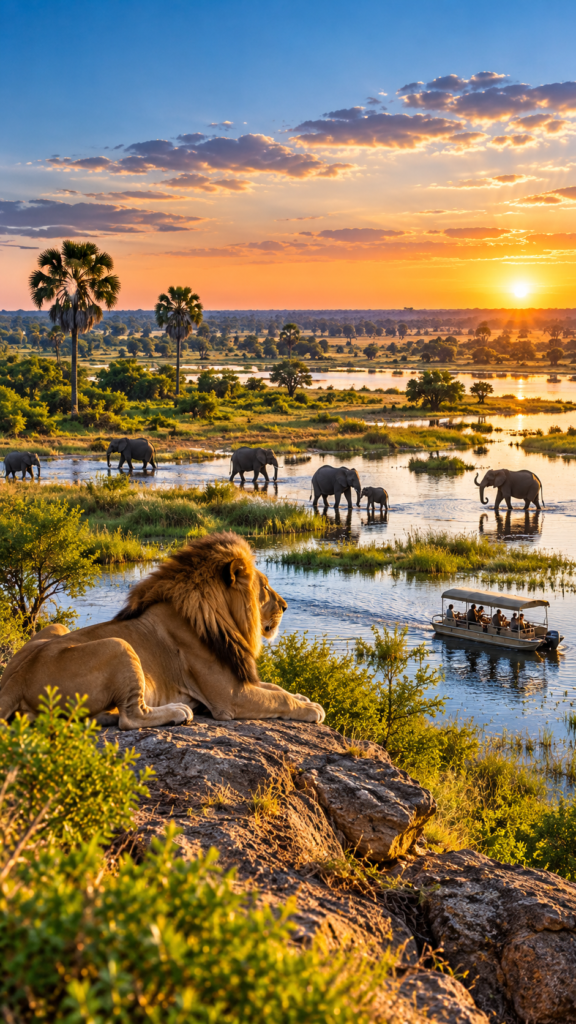
Makgadikgadi National Park lies within a small part of the giant Makgadikgadi Basin, the former super-lake that, at its largest, stretched across a large swathe of Southern Africa. The park is characterised by endless salt pans, temporary grasslands, palm islands and abundant wildlife that combine to give visitors a safari in Botswana quite unlike any on the continent. As soon as the rains fall (November-April), the parched salt flats become temporary grasslands that sustain one of the most dramatic animal migrations of its kind in Africa.
When tens of thousands of Burchell’s zebras and blue wildebeest gather to feed on these seasonal grasses and are soon trailed by lions, cheetahs, wild dogs, and hyenas, they feast on these rich pickings.
Total Area
3,900 km²
Elevation
900–950 meters
Makgadikgadi National Park
Botswana's Vast and Timeless Salt Pans
Seasonal Game Drives
Discover Makgadikgadi National Park with its extensive salt pans, wide-open plains and seasonally flooded plains, one of the country’s most extraordinary places to discover natural wonders.
- Seek out elephants, zebras, wildebeest, giraffes and springboks
- Watch amazing wildlife during sunset and sunrise

Elephant Herd Sightings

Zebra Migration Encounters

Wildebeest Herd Watching
Flamingo & Birdwatching Adventures
At certain times of year, after rains have fallen, flamingo flocks use the salt pans for breeding and foraging, where a large number of the species accumulate.
- Watch flocks of flamingos covering the salt pans
- Excellent habitat for other birds such as storks, cranes, and pelicans

Stork Birdwatching Encounters

Crane Wildlife Watching

Pelican Bird Sightings
Predator Encounters
There is a game drive across the Makgadikgadi pans, where you can see Botswana’s leading predators up close with the help of our expert guides and trackers.
- You can even witness lions prowling on the grasslands
- Scan the horizons for cheetahs hunting on the plains

Expert Guided Tracking
Predator Game Drives

Grassland Lion Encounters
Meerkat Encounters
Get up close and personal with the world-renowned habituated meerkat populations, now one of Makgadikgadi’s greatest draws.
- See the meerkat up close
- Discover their unique social behaviours

Close Meerkat Sightings

Unique Social Behaviours
Meerkat Colony Watching
Salt Pan Adventures
Experience the stunning beauty of the world’s largest salt pan system. Here, vast white landscapes stretch into the horizon.
- Witness spectacular sunrise and sunset views
- Explore Botswana’s most iconic natural wonders

Vast Salt Pans

Salt Pan Landscapes

Sunrise Pan Views
Wildlife Photography Expeditions
Astounding scenic views, seasonal wildlife migrations, and an endless horizon make this destination an ideal place to take numerous photographs.
- Photograph breathtaking sunrise & sunset
- Shoot iconic African animals on the savanna

Sunrise Photography Safaris

Sunset Photography Sessions
African Wildlife Photography
Our Goal
Safeguarding Africa's Splendid Salt Pan Ecosystems
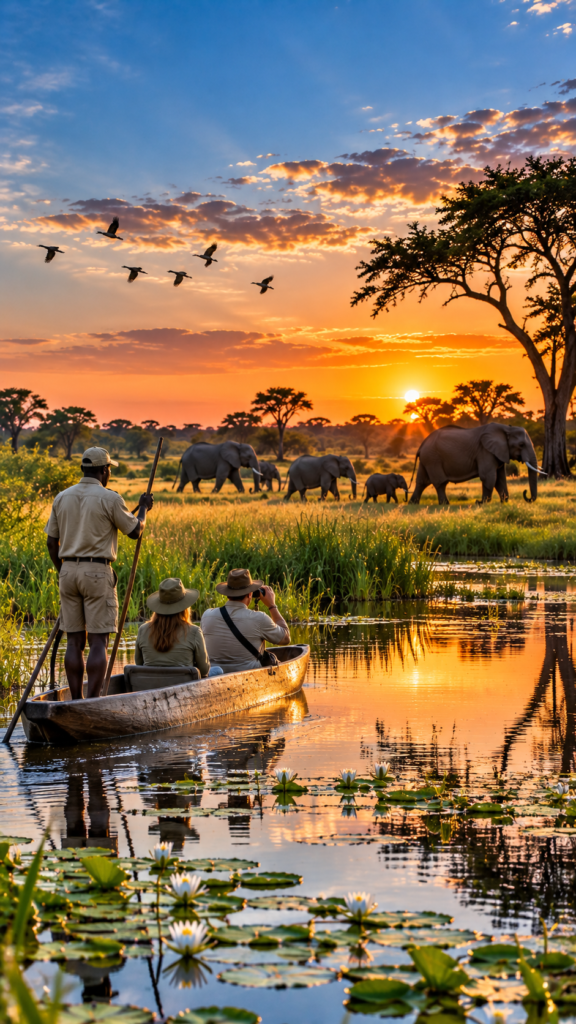
The Makgadikgadi National Park protects an exceptional environment that includes prehistoric salt pans, intermittent grasslands, riverine forests, and island refuges fringed with palms.
Beyond supporting iconic wildlife, enabling one of Africa’s largest zebra migrations, and providing a haven for numerous bird species, this remarkable park is one of Botswana’s key assets in both conservation and its growing sustainable ecotourism industry.

Conserving an Ancient Landscape
Makgadikgadi National Park is a relic of the ancient prehistoric inland lake. Today, it hosts rich habitats for seasonal migrations, specially adapted desert species, and some of the most significant and celebrated birds on earth, including thousands of flamingos. At the same time, well-managed ecotourism supports both conservation and visitor access to this unique Botswana spectacle.

Zebra & Wildebeest Migration Experience
Discover one of Africa’s greatest wildlife events with our 7-day Makgadikgadi wildlife and pans, as 1,000s of zebra & wildebeest embark on their massive annual journey across the Makgadikgadi grasslands following the rains.
Our Commitment
Ranger Patrols Monthly
600+
Plant Species Documented
Kenya Safaris
Frequently Asked Questions.
The best time of year to visit Arabuko Sokoke Forest is during the dry seasons, from June to October and January to February. These periods offer more predictable weather and easier access to the park, making wildlife viewing more enjoyable.
The best times of day to go on safari in Arabuko Sokoke Forest are early morning or late afternoon. During these times, wildlife is most active, and the cooler temperatures make for a more comfortable experience.
Arabuko Sokoke Forest Reserve is located along Kenya's coast near Malindi and Watamu. Visitors can access the reserve by road, join guided tours, or arrange excursions through nearby lodges and tour operators. Entry permits and guided activities are available at the reserve's visitor centres.
The reserve is home to a remarkable variety of wildlife, including the endangered Golden-rumped Elephant Shrew, Aders' duiker, bushy-tailed mongoose, monkeys, butterflies, and numerous endemic bird species found only in the East African coastal forests.
Yes, visitors can enjoy guided hiking and nature walks along designated forest trails. These walks offer opportunities to explore the reserve's unique ecosystems, observe wildlife, and learn about its rich biodiversity from experienced local guides.
