

- Home
- »
- kalahari Desert
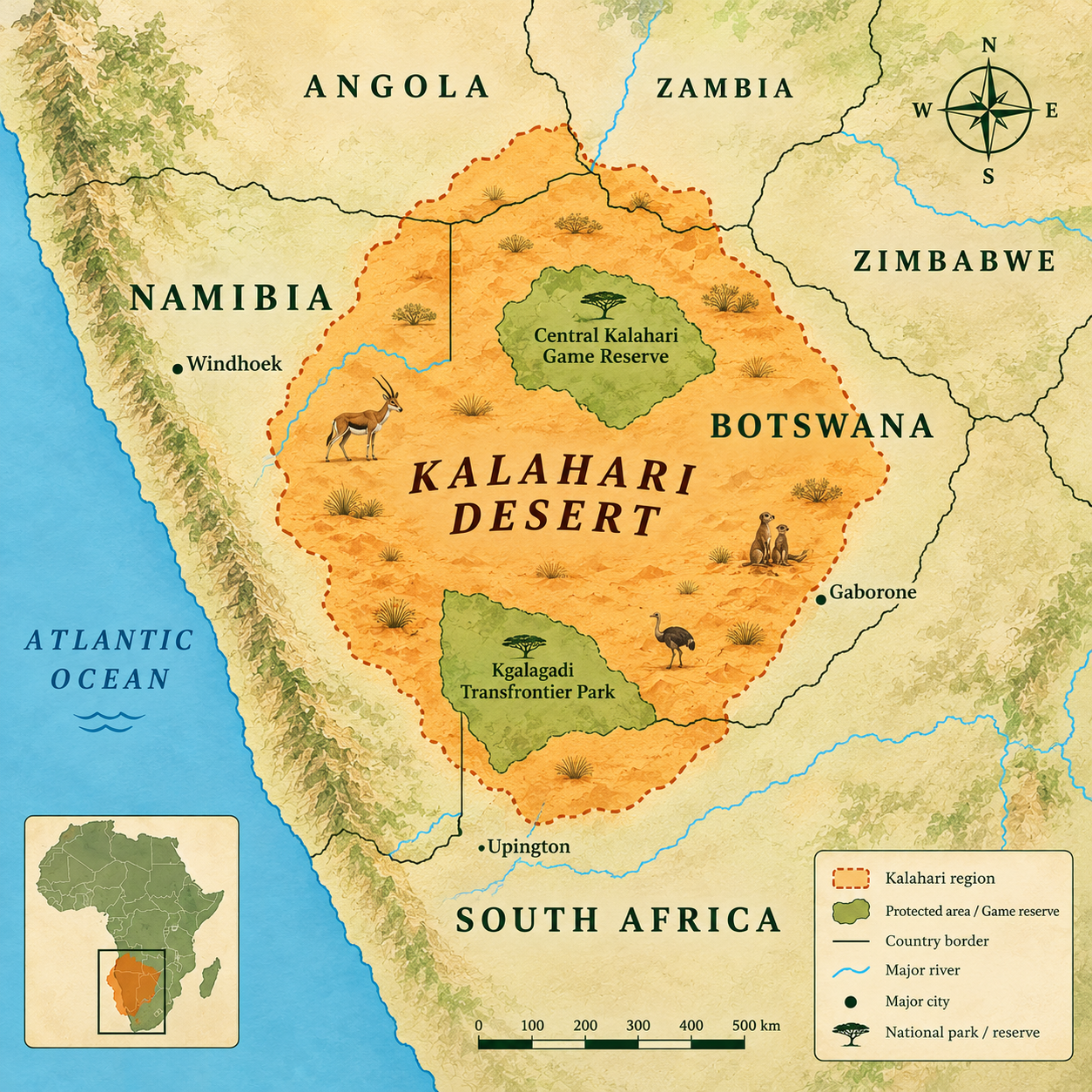
Spatial Heritage
The Cartographer's View
The Kalahari Desert is home to the Kalahari black-maned lion, the last of the great Zebra, and the wildebeest migration. The best time to view game is mostly during the drier winter months, when a huge concentration of game gathers around the diminishing water holes. Endless blue skies, warm days, and freezing nights characterise winter in the Kalahari Desert.
The Kalahari teems with new life, and you can witness spectacular views of several antelope giving birth during this time. Greenery emerges during the mid-summer rains, making it a truly astonishing time to visit this majestic desert. The reserve is a paradise for predators, thanks to the abundance of wildlife that congregates around various unique waterholes.
Total Area
900,000 km²
Wildlife Species
320+ wildlife species
Greatest Spectacle of Botswana
Witness Immense Reserves and Spectacular Wildlife Movements
Black-Maned Lion Tracking
Join the search for legendary Kalahari black-maned lions on this trek across the vast desert plains. Knowledgeable rangers share signs of movement and help guests appreciate the specialised adaptations that these predators make to the desert environment.
- Track lions across sandy desert terrain
- Look for predators near remote water sources

Black-Maned Lion Tracking

Desert Predator Encounters

Legendary Lion Sightings
Desert-Adapted Wildlife
Discover a place where animal life has come up with incredible strategies for coping with the heat, water scarcity and shifts in conditions. Find gemsbok, springbok, brown hyena, bat-eared fox and more throughout the grass plains and dunes.
- Search for gemsbok and springbok herds
- Discover wildlife adapted to harsh conditions

Desert Wildlife Encounters

Adapted Animal Species

Kalahari Wildlife Viewing
San Cultural Experiences
Experience the culture and knowledge of the San during a series of guided, shared community tours. Observe the San’s relationship with the Kalahari, as they acquired the skills to live and thrive in the desert for generations.
- Learn traditional tracking techniques
- Discover indigenous plants and survival knowledge.

San Cultural Heritage

Traditional Tracking Skills

Desert Knowledge Sharing
Kalahari Nature Walks
Stretch your legs and explore the desert on foot. Even discover things from the trail that you might miss in a vehicle. Join one of our guides on a walk and learn to identify animal tracks, native plants, insects and other signs of life.
- Follow fresh animal tracks through the sand
- Identify desert plants and smaller wildlife

Guided Desert Walks
Animal Track Discovery

Native Plant Exploration
Stargazing Under Skies
Feel the difference in the clarity of the Kalahari night sky away from major light pollution. When night falls, take advantage of the wide-open desert horizon to observe the stars and constellations.
- Watch spectacular sunsets over the dunes
- Enjoy uninterrupted views of the night sky
Desert Stargazing Experiences

Endless Night Skies

Spectacular Sunset Views
Kalahari Photography Safaris
Express the desert’s unique essence with dramatic scenery, wildlife, dunes, and ever-changing light. Click stunning images of the landscape and creatures of the desert during golden-hour excursions.
- Photograph wildlife against open desert horizons
- Capture sunrise and sunset across the dunes

Golden Desert Landscapes

Wildlife Photography Safaris

Dramatic Dune Photography
Remote Desert Camping
It is exciting to spend the night under the Kalahari stars. Few places on Earth are more inspiring than the Kalahari. Escape to one of our remote camps and enjoy complete immersion in nature with minimal impact on our wilderness.
- Sleep beneath the stars
- Experience authentic off-grid desert nights

Remote Desert Camping
Under African Stars

Authentic Wilderness Nights
Our Conservation Commitment
Protecting the Kalahari Through Responsible Tourism
The Kalahari is a fragile desert ecosystem, where wildlife, vegetation and communities have adapted to harsh conditions. Supported by responsible tourism, we can preserve habitats and provide sustainable opportunities for communities and conservation.

Kalahari Desert: Conservation Story
The Kalahari is home to a wide range of desert animals, including lions, cheetahs, gemsbok, springbok, brown hyenas, and smaller animals. The main focus of conservation work in the area is protecting these animals, their natural habitat, and the desert's ecology.

Conservation Guidelines
Tourists can help safeguard the Kalahari by following ethical safari conventions. Respect for the environment and the people of the Kalahari, do not tamper with fauna or flora, stay on designated routes where indicated, and minimising waste can all go a long way.
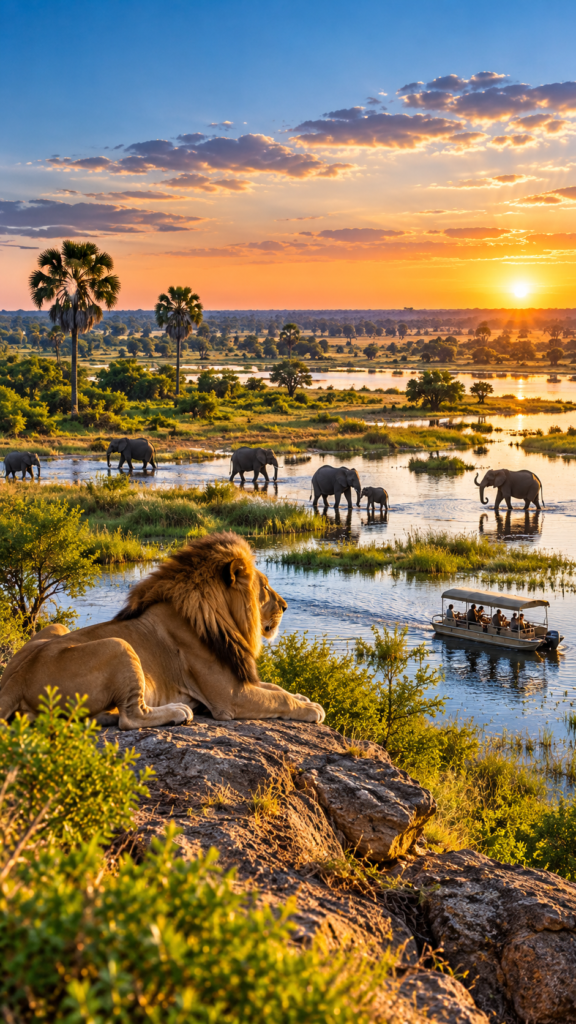
Our Commitment
Ranger Patrols Monthly
600+
Plant Species Documented
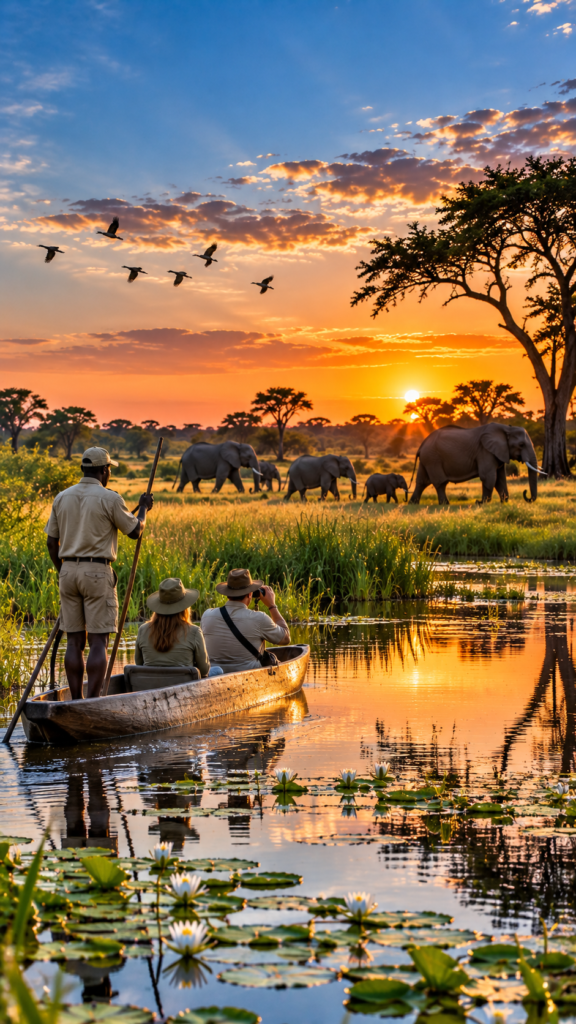
Kenya Safaris
Frequently Asked Questions.
Kalahari Desert is best known for its striking dunes, desert-adapted wildlife, age-old traditions and far-off wilderness regions.
Come face to face with black-maned lions, cheetahs, gemsbok, springbok, giraffes, brown hyenas, wild dogs and bat-eared foxes.
This tour offers game drives, guided walks, wilderness tracking, cultural encounters, photography, camping, and stargazing.
Typically, the dry season is the best time to see wildlife, though the rains bring fresh vegetation and changes in animal behaviour.
You can definitely contribute to preserving the natural environment by respecting wildlife, minimising waste, saving water, following safari regulations, and choosing environmentally responsible local tourism companies.
