

- Home
- »
- Ngorongoro Crater
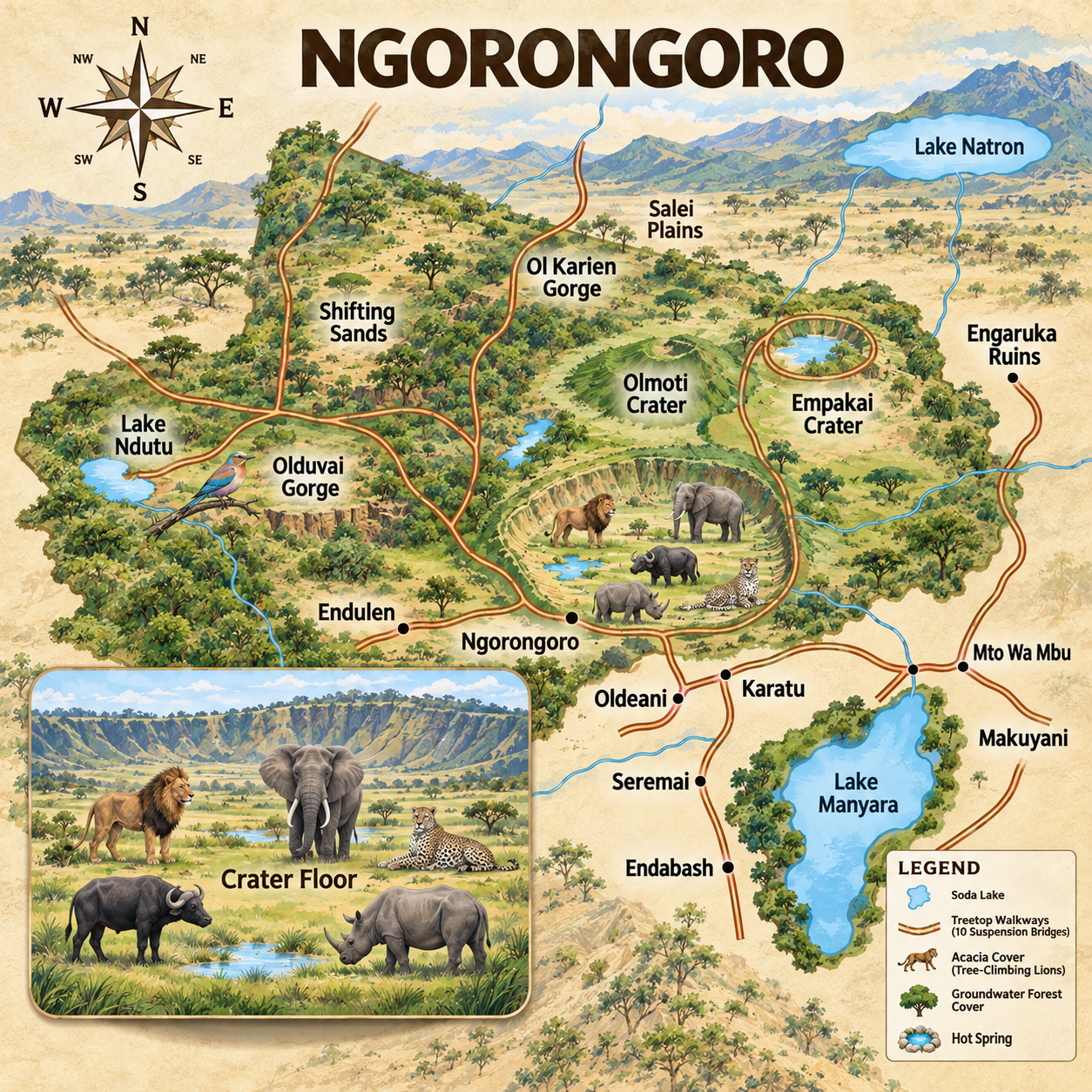
Visit Ngorongoro Crater
Explore the Wildlife Conservation at Ngorongoro Crater
The Ngorongoro Crater is home to the Big Five: lions, leopards, elephants, buffalo, and rhinoceros, along with 25,000 mammals.
Other species include zebras, hippos, baboons, servals, antelopes, warthogs, hyenas, jackals, and more. Flamingos and ostriches are among the bird species residing in the safari destination. The conservation area, including the crater, spans from Serengeti National Park to the Great Rift Valley in the east. Because of the high density of wildlife in the area, Ngorongoro has been listed as a UNESCO World Heritage Site.
Total Area
260 - 264 km²
Elevation
2,286 - 2,400 m
Classic Experiences
What to Do in Ngorongoro Crater
Ngorongoro Crater
It’s the world’s largest unbroken volcanic caldera that is home to diverse species of African wildlife.

Wildebeest Migration

Wildlife View

Game Drive
Wildlife Safari
Home to around 25,000 wildlife species and numerous bird species, the Crater is a popular game drive area.
Game Drives

Wildlife View

Photography Safari
Crater Rim View
Enjoy panoramic views of the crater, lakes, and forests. Witness the rich wildlife and birds at the crater point.

Panoramic Crater View

Photography Safari
Wildlife View
Birdwatching Safari
The rainy season is best for birdwatching. You can spot the native and migratory bird species. Carry binoculars.

Birdwatching Safari

500+ Bird Species

Scenic View
Cultural Visits
Visit the Maasai villages. Dive into the culture and tradition of native, tribal communities. Buy handicrafts and souvenirs from local shops.

Maasai Villages

Tribal Food and Tradition

Exploring Tribal Culture
Olduvai Gorge
Enjoy guided tours to the paleoanthropological site. Visit the museum to see the million-year-old fossils.

Guided Tours

Museum Visit

Paleoanthropologic Tour
Our Commitment
Exploring Ngorongoro Crater Responsibly
Experience your tour to Ngorongoro Crater through a wildlife safari to the conservation area. We ensure the wildlife safari journey stays joyful and doesn’t harm nature.

Sustainable Eco-tourism
Low-impact tourist management helps keep the forest’s delicate balance undisturbed for generations to come.

Local Community Support
Joining native communities to create alternative livelihoods and start education and conservation of flora and fauna.
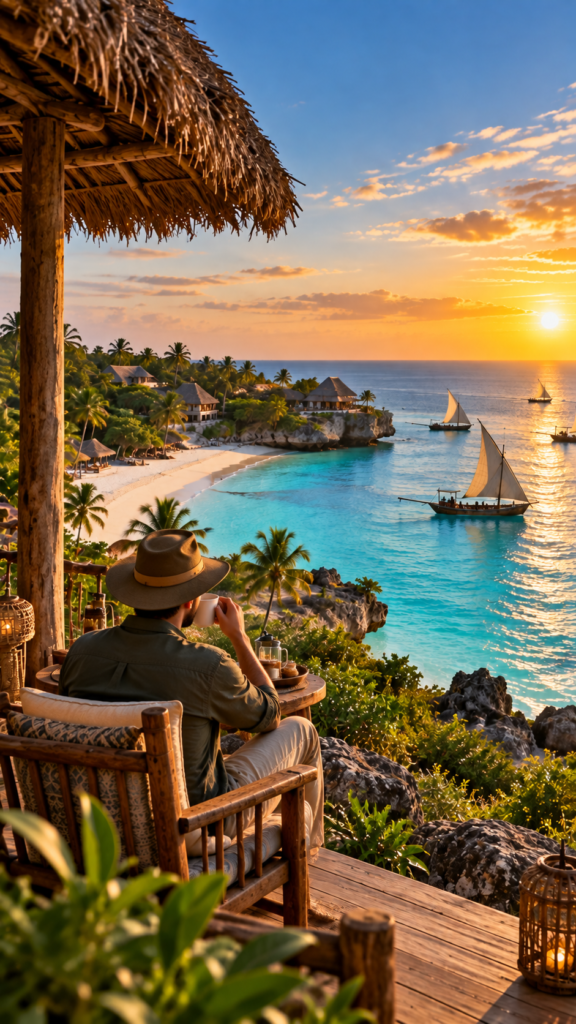
Our Commitment
Responsible Tourism
OUR PURPOSE
Protect Tanzanian Species
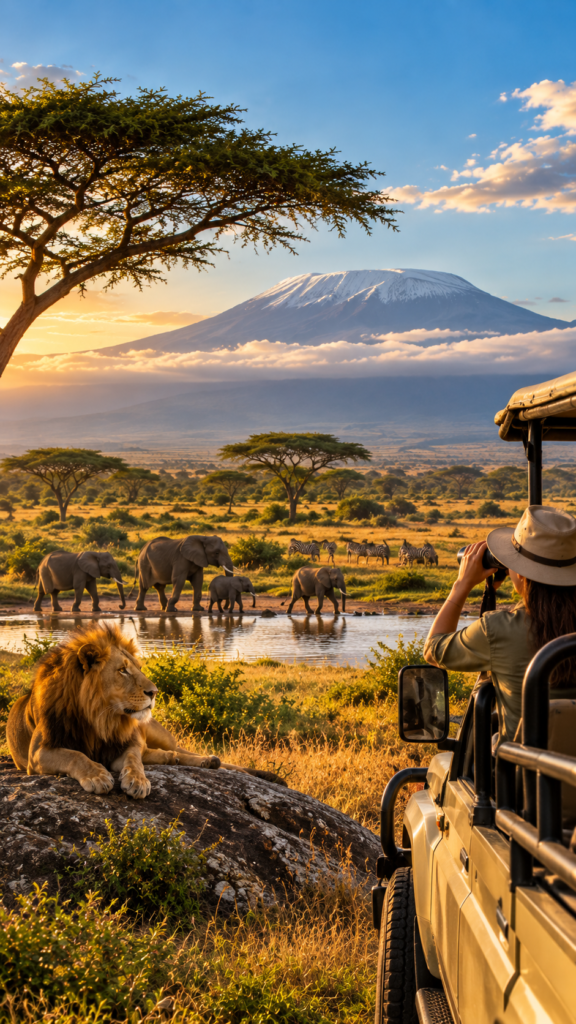
Tanzania Safaris
Frequently Asked Questions.
The best time to visit Ngorongoro Crater is during the dry months between June and October due to cooler weather and abundant animal sightings. Many tourists from around the world flock to this safari destination.
Ngorongoro Crater is considered one of Africa’s Seven Natural Wonders with its beauty and unique splendour. It’s the largest, unbroken, volcanic caldera in the world. The crater within the Ngorongoro Conservation Area is a UNESCO World Heritage Site.
Yes. You can witness the Big Five in the crater. In the Ngorongoro Crater, you can see lions, elephants, black rhinos, and buffalo on the crater floor, and leopards inside the forest rims.
One day is sufficient to explore the crater floor. You may spend one to two nights travelling to the park and enjoying a wide range of safari activities, including game drives, birdwatching, nighttime safaris, bush picnics, sundowners, etc.
Giraffes don’t live in the crater due to the steep walls. Giraffes can’t walk down the basin.
