Quick answer
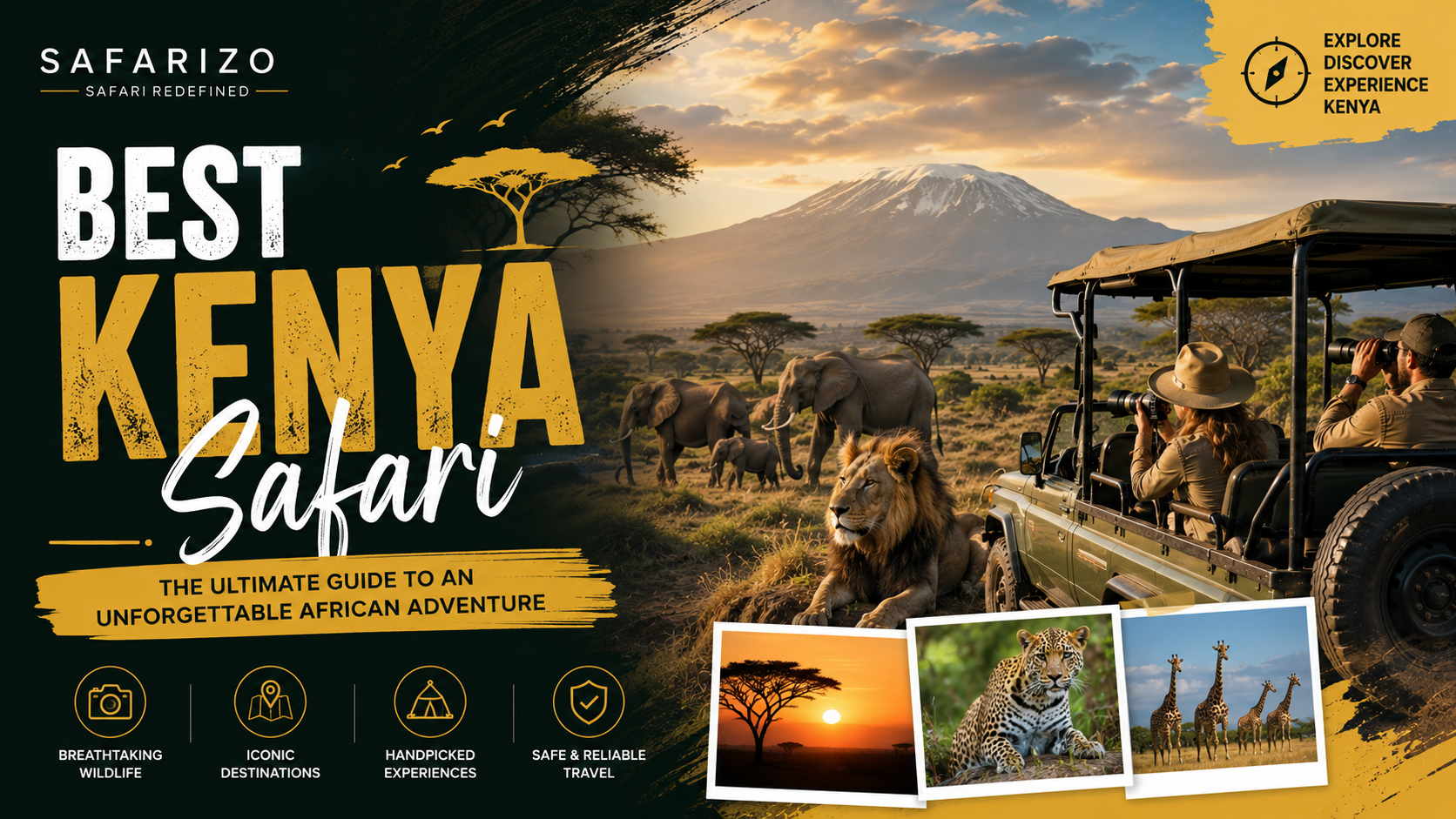
The best Kenya safari starts with your priorities, not a package. Decide what you most want to see, then match it to the right parks and season: the Maasai Mara for big cats and the Great Migration (roughly July to October), Amboseli for elephants beneath Kilimanjaro, and Samburu or Lake Nakuru to add variety. Most first-time visitors are happiest with 6 to 8 days across two or three parks, booked 6 to 12 months ahead with a specialist operator.
7 Steps to Plan the Best Kenya Safari
You do not need to pick lodges or flights on day one. Planning a Kenya safari is much easier when you take it in this order:
- Define your safari priorities: the wildlife you want to see and who is travelling.
- Choose the right parks for those priorities.
- Pick the best time to go for the parks you chose.
- Choose your safari style: luxury, mid-range, budget, family or adventure.
- Set a realistic budget per person, per day.
- Sort entry, health and insurance before you fly.
- Pack smart and book early with a trusted operator.
For most travellers, the hard part is not booking the trip. It is knowing where to begin.
Why Is It So Hard to Choose a Kenya Safari?
Kenya has more than fifty national parks and reserves, hundreds of lodges and camps, and a seemingly endless list of itineraries. Most people start by asking the wrong question:
“Which Kenya safari package should I book?”
A far better place to start is:
“What do I most want to see, who am I travelling with, and how do I want the trip to feel?”
Once you can answer that, the right parks, season and lodges fall into place. A honeymooning couple chasing river crossings needs a very different trip from a family with young children or a photographer hoping for elephants with Kilimanjaro behind them.
That is why a tailor-made itinerary built around you usually delivers a better experience than the first package you find online.
Step 1: Define Your Safari Priorities
Before comparing parks, be clear about what success looks like for your trip.
What Wildlife Do You Most Want to See?
Kenya is home to the Big Five: lion, leopard, elephant, rhino and buffalo. Think about which experiences matter most to you:
- Big cats and dramatic predator action
- The Great Migration and Mara River crossings
- Large elephant herds and classic Kilimanjaro views
- Rare northern species such as Grevy’s zebra and reticulated giraffe
- Rhinos, flamingos and exceptional birdlife
Who Is Travelling?
Your group shapes almost every decision, from park choice to lodge type. Consider whether you are travelling as:
- A first-time visitor wanting the classic highlights
- A couple or honeymooners looking for privacy and romance
- A family with children (some lodges set minimum ages for game drives and walks)
- A photographer who needs flexible game drive times
- A group of friends sharing vehicles to save costs
How Long Can You Stay?
As a guide, allow at least two nights per park and avoid packing in too many long road transfers. Here is how trip length usually works out:
- 3 to 4 days: one park, usually the Maasai Mara
- 6 to 8 days: two or three parks, the sweet spot for first-timers
- 10 days or more: a wider circuit, or a safari followed by time on the coast
Step 2: Choose the Right Parks
Each of Kenya’s parks has its own character. Matching parks to your priorities is the single biggest factor in a great safari.
Maasai Mara National Reserve
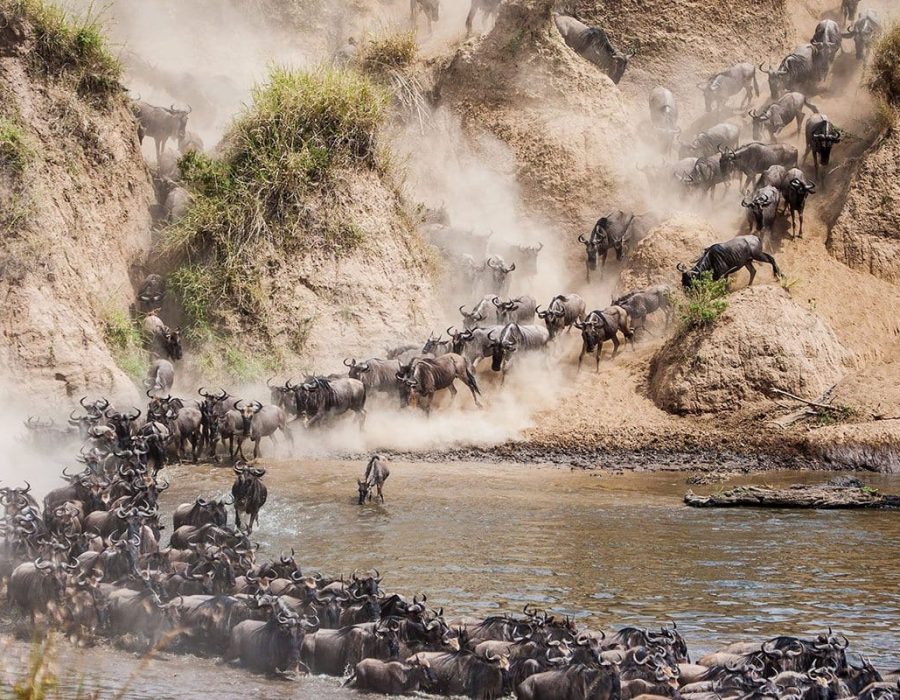
The Maasai Mara is the crown jewel of Kenyan safaris. Its open grasslands support high numbers of lions, cheetahs and leopards all year, and from roughly July to October it hosts the Great Migration as vast herds of wildebeest and zebra move up from Tanzania’s Serengeti.
- Best for big cats, the Great Migration and first-time visitors
- Hot air balloon safaris at sunrise
- Private conservancies on the reserve’s borders offer fewer vehicles, night drives and walking safaris
Amboseli National Park
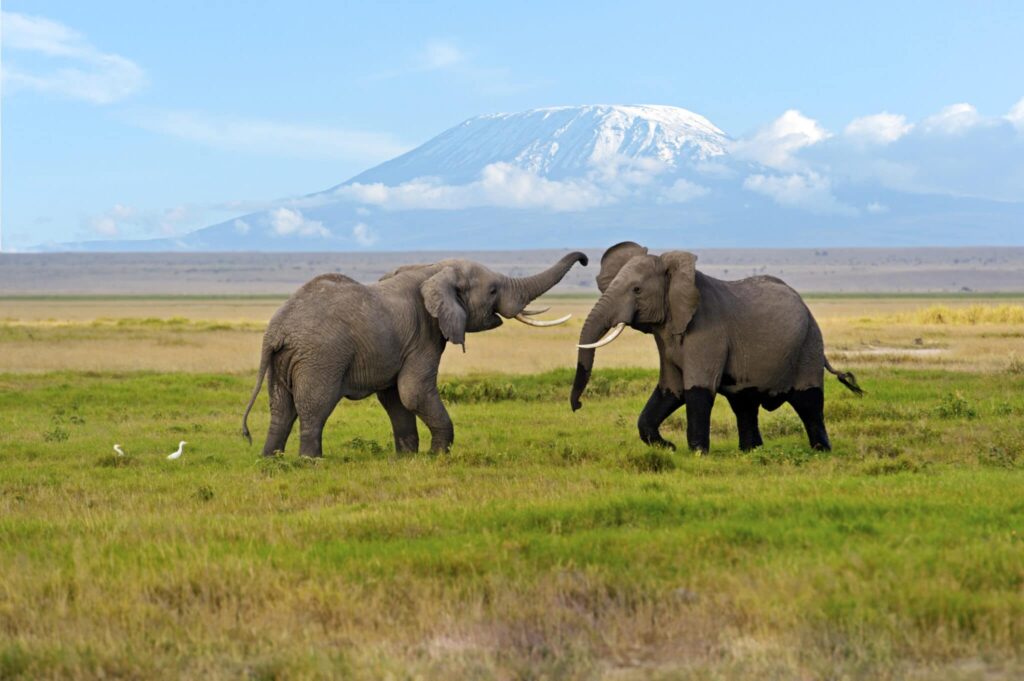
Amboseli is famous for its large, relaxed elephant herds and postcard views of Mount Kilimanjaro, which is clearest in the early morning and during the dry months.
- Best for elephants and photography
- Open plains and swamps that make wildlife easy to spot
- Works well combined with Tsavo West or the Maasai Mara
Tsavo East and Tsavo West National Parks
Together, the two Tsavo parks form one of the largest protected areas in Africa. They feel wild and uncrowded, and the elephants here are often coated in the region’s red dust.
- Best for travellers who want space and fewer vehicles
- Diverse terrain, from lava flows to the clear pools of Mzima Springs
- Easy to combine with a beach stay on the Kenyan coast
Lake Nakuru National Park
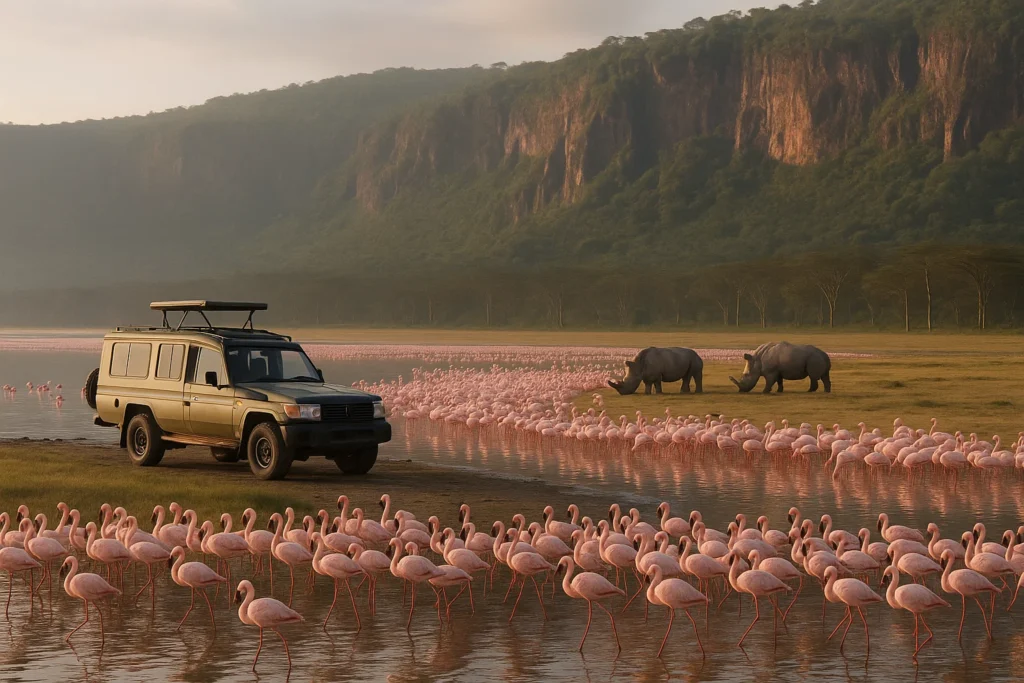
Compact and easy to explore, Lake Nakuru is one of Kenya’s best places to see both black and white rhinos. It is also a paradise for bird lovers, although flamingo numbers rise and fall with lake water levels.
- Best for rhinos, birdlife and a short stop between parks
- Good chances of spotting Rothschild’s giraffe
- A convenient stop on the way to or from the Maasai Mara
Samburu National Reserve
In Kenya’s arid north, Samburu is home to the “Samburu Special Five”: Grevy’s zebra, reticulated giraffe, Beisa oryx, Somali ostrich and gerenuk. It also offers a chance to learn about Samburu culture.
- Best for repeat visitors and travellers who want something different
- Dramatic river scenery along the Ewaso Ng’iro
- Pairs well with Laikipia and Ol Pejeta Conservancy
Ol Pejeta Conservancy
In Laikipia, Ol Pejeta is a leading rhino conservancy and home to a chimpanzee sanctuary. Conservancies like this allow activities that national parks often do not, such as night drives and guided bush walks.
Here is a quick comparison to help you shortlist:
| Park or Reserve | Best For | Ideal Stay | Best Months |
|---|---|---|---|
| Maasai Mara | Big cats, Great Migration | 3 to 4 nights | July to October, and January to February |
| Amboseli | Elephants, Kilimanjaro views | 2 nights | June to October, and January to February |
| Tsavo East and West | Wilderness, fewer crowds | 2 to 3 nights | June to October |
| Lake Nakuru | Rhinos, birdlife | 1 night | Year-round |
| Samburu | Special Five, culture | 2 to 3 nights | June to October, and December to March |
| Ol Pejeta | Rhinos, conservancy activities | 2 nights | June to October, and January to February |
Step 3: Pick the Best Time to Visit Kenya
Kenya is a year-round safari destination, but timing shapes what you will see, what you will pay and how busy the parks feel. See our full guide to the best time to visit for more detail.
| Season | Months | What to Expect |
|---|---|---|
| Long dry season (peak) | Late June to October | Excellent game viewing, Great Migration in the Mara, highest prices and busiest parks |
| Short rains | November to mid-December | Brief afternoon showers, green scenery, fewer visitors and better rates |
| Short dry season | Mid-December to February | Very good wildlife viewing, warm weather and popular holiday dates |
| Long rains (low season) | March to May | Heavier rain, lush landscapes, lowest prices; some camps close in April and May |
Tip: Migration river crossings are never guaranteed. Allowing three or more nights in the Mara between August and October gives you the best chance of seeing one.
Step 4: Choose Your Safari Style
Kenya offers a safari style for almost every traveller. The right one depends on your comfort level, privacy and budget.
| Safari Style | What You Get | Best Suited To |
|---|---|---|
| Luxury safari | Boutique lodges, private vehicles and guides, fly-in transfers | Honeymooners, special occasions, travellers short on time |
| Mid-range safari | Comfortable lodges and tented camps, small group or private drives | Most first-time visitors and families |
| Budget safari | Group tours, simpler camps, road transfers | Solo travellers and backpackers |
| Family safari | Family rooms, flexible schedules, child-friendly activities | Parents with children of all ages |
| Adventure safari | Walking safaris, camping, cycling or horseback in conservancies | Active travellers and repeat visitors |
If flexibility matters to you, a private guided safari lets you set the pace, stay longer at a sighting and avoid sharing a vehicle with strangers.
Step 5: Set a Realistic Budget
Safari costs in Kenya vary with season, lodge standard, park fees and how you travel between parks. As a starting point, these are typical ranges per person, per day, usually including accommodation, meals, game drives and park fees:
| Budget Level | Approximate Cost | Typical Inclusions |
|---|---|---|
| Budget | $150 to $300 | Shared vehicle, basic camps or lodges, road transfers |
| Mid-range | $300 to $600 | Comfortable lodges or tented camps, small group or private drives |
| Luxury | $600 and above | Exclusive camps, private guide, conservancy access, fly-in transfers |
Remember to budget for international flights, your entry authorisation, travel insurance, optional extras such as balloon flights, and tips for guides and camp staff. For a detailed breakdown, read our Kenya safari cost guide.
Step 6: Sort Entry, Health and Insurance
A little paperwork early on prevents stress at the airport. Before you travel, check:
- Entry requirements: most international visitors need an approved Electronic Travel Authorisation (eTA) before departure. Apply only through the official government portal, and check current rules for your nationality, as entry policy has changed several times in recent years. See our travel visa guide.
- Passport validity: at least six months beyond your travel dates, with blank pages.
- Vaccinations: a yellow fever certificate may be required depending on your route, so ask a travel clinic about this and other recommended vaccines.
- Malaria: many safari areas carry a malaria risk. Speak to your doctor about prevention well before you travel.
- Travel insurance: make sure it covers medical evacuation from remote areas. Read our travel insurance guide.
Step 7: Pack Smart and Book Early
What to Pack for a Kenya Safari
Light, layered clothing in neutral colours works best. Mornings and evenings can be cool, while midday is warm. Our full safari packing list covers everything, but the essentials are:
- Breathable shirts, trousers and a warm fleece for early drives
- A wide-brimmed hat, sunglasses and high-factor sunscreen
- Binoculars for every traveller in your group
- A camera with a zoom lens and spare batteries or power bank
- Insect repellent and any personal medication
- A soft-sided bag: light aircraft flying between parks often limit luggage to around 15 kg
Kenya bans single-use plastic carrier bags, so pack toiletries in reusable pouches instead.
When to Book
The best camps in the Maasai Mara and conservancies can fill up a year in advance for July to October. Booking 6 to 12 months ahead gives you the widest choice of lodges and dates, while green season trips can often be arranged at shorter notice.
A Sample 7-Day Kenya Safari Itinerary
Illustrative example only. Every Safarizo itinerary is tailored to the traveller.
Here is how a classic first-time Kenya safari could flow for a couple travelling in August:
| Day | Location | Highlights |
|---|---|---|
| Day 1 | Nairobi | Arrival, transfer to hotel, optional Giraffe Centre visit or a game drive in Nairobi National Park |
| Days 2 and 3 | Amboseli | Elephant herds, Kilimanjaro views at sunrise |
| Day 4 | Lake Naivasha or Lake Nakuru | Boat ride or rhino tracking, rest day between long drives |
| Days 5 to 7 | Maasai Mara | Big cats, Great Migration, optional balloon safari, return to Nairobi |
Want a ready-made starting point? Take a look at our 7-Day Kenya Classic Safari or our dedicated Migration Safari.
Where Should Different Travellers Begin?
There is no single right Kenya safari. Here is where we suggest different travellers start.
First-Time Safari Travellers
Begin with the Maasai Mara plus Amboseli. Together they deliver the Big Five, classic savannah scenery and the most iconic views in Kenya.
Families With Children
Focus on shorter drives, family-friendly lodges with pools, and private vehicles so you can set your own pace. Check minimum age rules before booking walking or canoe activities.
Honeymooners and Couples
Choose an intimate conservancy camp in the Mara, add a sunrise balloon flight, and finish with a few days on the beach at Diani for the perfect bush and beach combination.
Photographers and Repeat Visitors
Consider Samburu and Laikipia for rare species and fewer vehicles, and book a private vehicle so you can stay with a sighting as long as the light is right.
Do I Need a Safari Operator?
It is possible to plan parts of a Kenya safari yourself, but logistics such as park fees, road conditions, transfers between parks and lodge availability are far easier with local expertise.
A reputable operator will match parks to your priorities, secure the best camps for your dates, arrange experienced guides, and support you on the ground if plans change. When comparing operators, look for transparent pricing, clear inclusions, experienced guides and genuine traveller reviews.
Your First Three Moves This Week
You do not need to plan the whole trip in one sitting. Start with these three practical steps:
- Write down your must-sees: list the animals, experiences and parks that excite you most, plus who is travelling.
- Choose your window: pick two or three possible travel months and an approximate budget per person.
- Talk to a specialist: share your list with a Safarizo safari expert and get a tailored Kenya itinerary to compare.
Plan Your Kenya Safari With Safarizo
The best Kenya safari is not a single package. It is the trip that fits what you want to see, when you can travel and how you like to explore. From the river crossings of the Maasai Mara to elephants beneath Kilimanjaro, Kenya rewards a little planning with experiences you will remember for a lifetime.
Our specialists design private and small group Kenya safaris around your priorities, budget and dates. You can also browse our Kenya safari packages or read more about Kenya wildlife safaris.
Call Safarizo on +1 (689) 946 8928 or request your free itinerary today.
Disclaimer: The information in this guide is for general travel planning only. Prices, park fees, entry requirements and health advice can change, so please confirm the latest details with official sources and your safari specialist before booking.